


Feel the difference in your prep.
A smoother surface gives you a cleaner starting point for polishing, waxing, or coating.
You're $10 away from FREE shipping!
Clean is the start. Smooth is the next step.
Reveal a smoother-feeling surface.
Work across panels with a flexible 12 × 12 in towel.
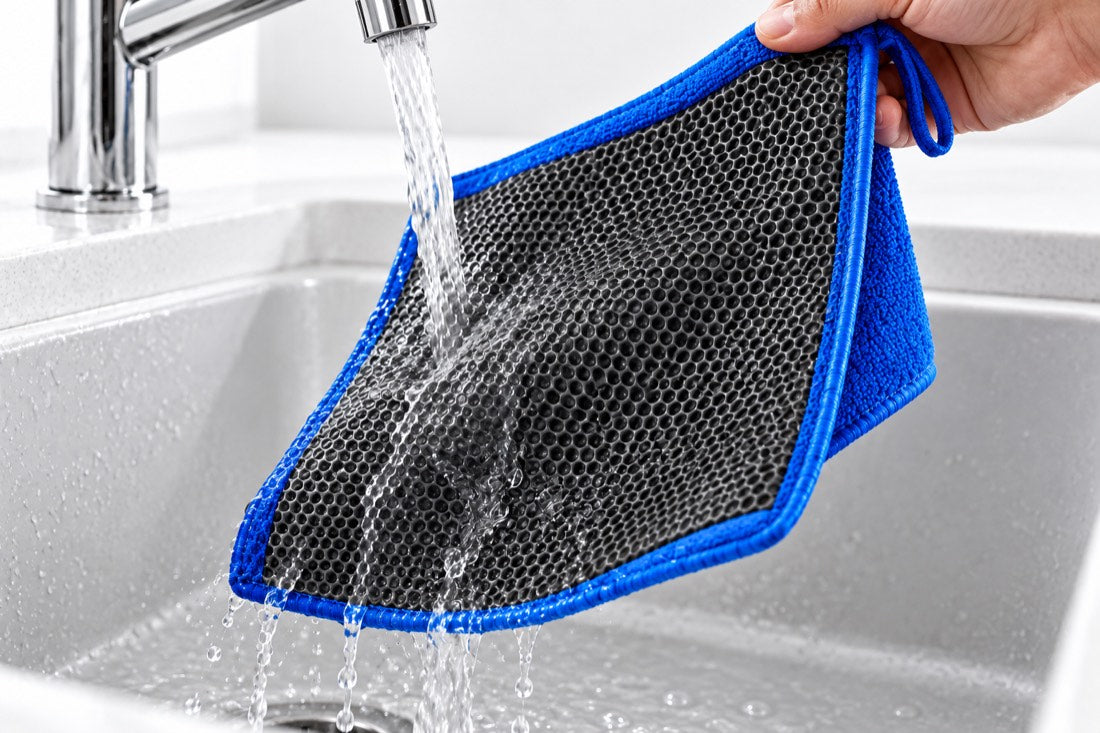
Rinse, inspect, and reuse for your next detail.
Couldn't load pickup availability
Size: 12 × 12 in. / 30.5 × 30.5 cm
Cleaning face: Synthetic clay
Backing: Blue microfiber
Use: Surface decontamination
Your satisfaction is our top priority! That's why we offer a 60-day 100% money-back guarantee – including reimbursement of shipping costs.
If you are not completely satisfied within this period, we will refund the entire amount.
For returns, simply contact us at support@genixclean.com


Some contamination stays bonded to the surface after washing. GENIXCLEAN helps remove that roughness, preparing your paint for the rest of your detail.

A smoother surface gives you a cleaner starting point for polishing, waxing, or coating.
A broad, flexible format and microfiber backing help you hold and guide the towel across each panel.
Clean and inspect the towel after each use, then store it ready for the next time your paint needs attention.
Two different surfaces, each with a clear job. Tap the labels to explore the construction.

The dark synthetic clay face works against the lubricated surface to lift bonded contamination. Use light pressure and keep the panel wet.
The soft blue microfiber backing helps you hold and guide the towel. Keep this side in your hand and the dark clay face against the lubricated panel.
Hold the blue microfiber side and guide the dark clay face over a lubricated panel. Open either label above for a closer look.
Use clay for bonded surface debris. Washing and polishing serve other purposes in your detailing routine.
| The step | What it addresses | When to use it |
|---|---|---|
| Wash | Loose dirt and grime | Before surface prep |
| GENIXCLEAN Clay Towel | Bonded surface contamination | After washing, if paint feels rough |
| Polish | Scratches, swirls, and finish correction | As needed after decontamination |

Remove loose dirt and rinse. Work on a clean, cool panel.
Apply a compatible clay lubricant generously. Keep the working area wet.
Hold the blue side. Move the dark face back and forth with light pressure.
Rinse the towel often. Wipe the panel dry and assess its smoothness.
Test a small area first. Reapply lubricant if the towel drags. Stop if you notice trapped grit, residue, or damage.

A little care between sessions helps keep your towel ready to work.
Clear away collected debris and inspect the cleaning face.
Rinse thoroughly, then let the towel dry before storage.
Replace it if debris stays trapped or the clay surface is damaged.
Washing removes loose dirt. A clay towel addresses contamination that remains bonded to the surface and can make clean paint feel rough.
It is a surface-preparation tool. Use the dark clay face for decontamination and the blue microfiber backing for your grip.
No. It removes surface contamination, not paint defects. Scratches and swirl marks may require polishing after decontamination.
Claying can cause marring, especially with grit, heavy pressure, or too little lubrication. Test first, keep it lubricated, and inspect as you work.
Choose a compatible clay lubricant and follow its directions. Keep the panel wet and reapply whenever the towel starts to drag.
Check the finish or coating manufacturer's guidance first. Compatibility varies, and a clay treatment may affect some protective finishes.
Assess the surface after washing. Clay when bonded contamination makes it feel rough, rather than automatically using it during every wash.

GENIXCLEAN Synthetic Clay Towel · Royal blue · 12 × 12 in.